... Refuge for the Khymera
Philosophy
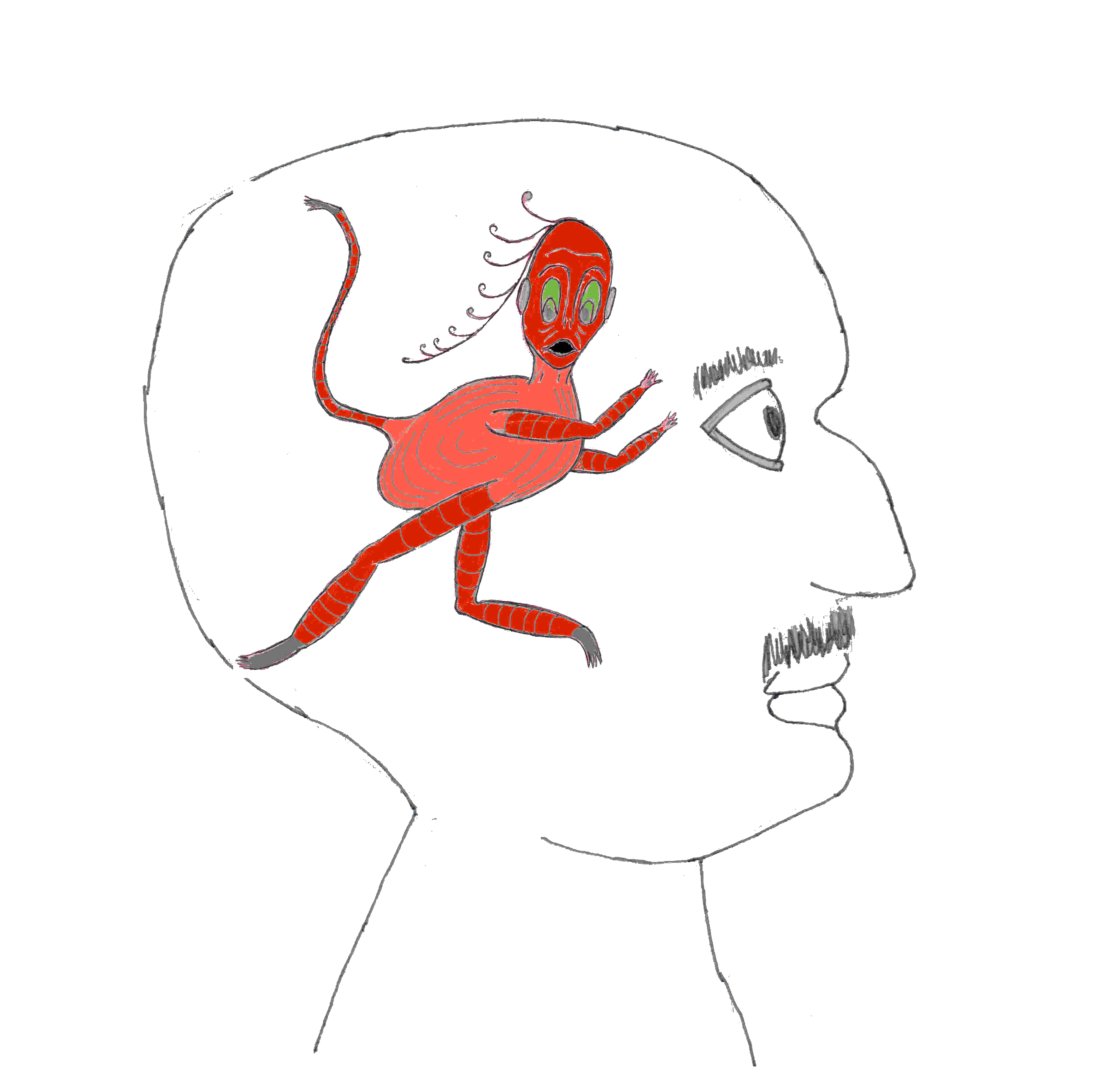
Philosophy is woven into the fabric of Refuge for the Khymera through Martin’s struggle to understand the shifting boundaries between imagination and reality. As the Khymera intrudes into his world and his own writing begins to echo back at him, Martin is forced into questions that philosophers have wrestled with for centuries: the nature of identity, the structure of reality, and the relationship between consciousness and the world it perceives.
Identity and the Self
- Continuity of consciousness — Martin wonders what persists when the world changes around him.
- Self as narrative — his identity feels like a story he is both writing and living.
- Multiplicity — the Khymera challenges the idea of a single, stable self.
Reality and Perception
- Constructed worlds — the boundary between imagined and actual reality becomes porous.
- Phenomenology — Martin’s experience becomes the only reliable anchor when external facts shift.
- Ontological uncertainty — he questions what it means for something to “exist.”
Stories as Metaphysics
- Fiction as reality — Martin’s writing influences events, blurring author and world.
- Meaning-making — the Khymera suggests that stories are how consciousness shapes the universe.
- Recursion — the novel reflects on itself, echoing philosophical ideas about self-reference.
Why this matters: Philosophy gives RFTK its emotional and intellectual depth. Martin’s crisis is not just about strange events — it is about understanding who he is, what reality is, and how stories shape both. The philosophical themes connect RFTK to your broader body of work, where consciousness, identity, and meaning are recurring questions across multiple books and series.

... Technopoetic Musings From the Metaverse
... to be added